

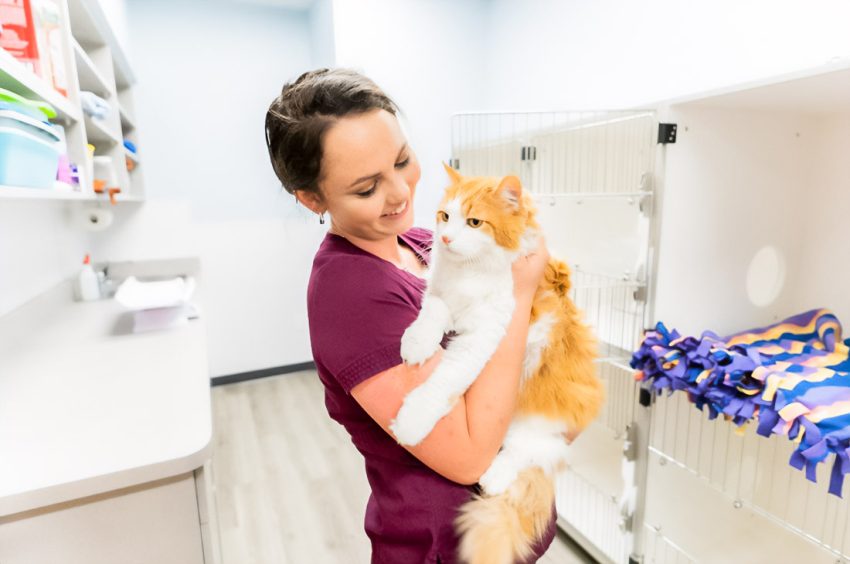
Pets are creatures of habit. Their well-being is directly related to the stability of the environment, the repeatability of actions and the predictability of events. When the usual routine is disrupted, signs of anxiety and stress often appear in the behaviour of animals. These reactions are not accidental: they are formed at the level of physiology, training and early experience, and then consolidated through association and repetition.
Disruption of Routine as a Source of Anxiety
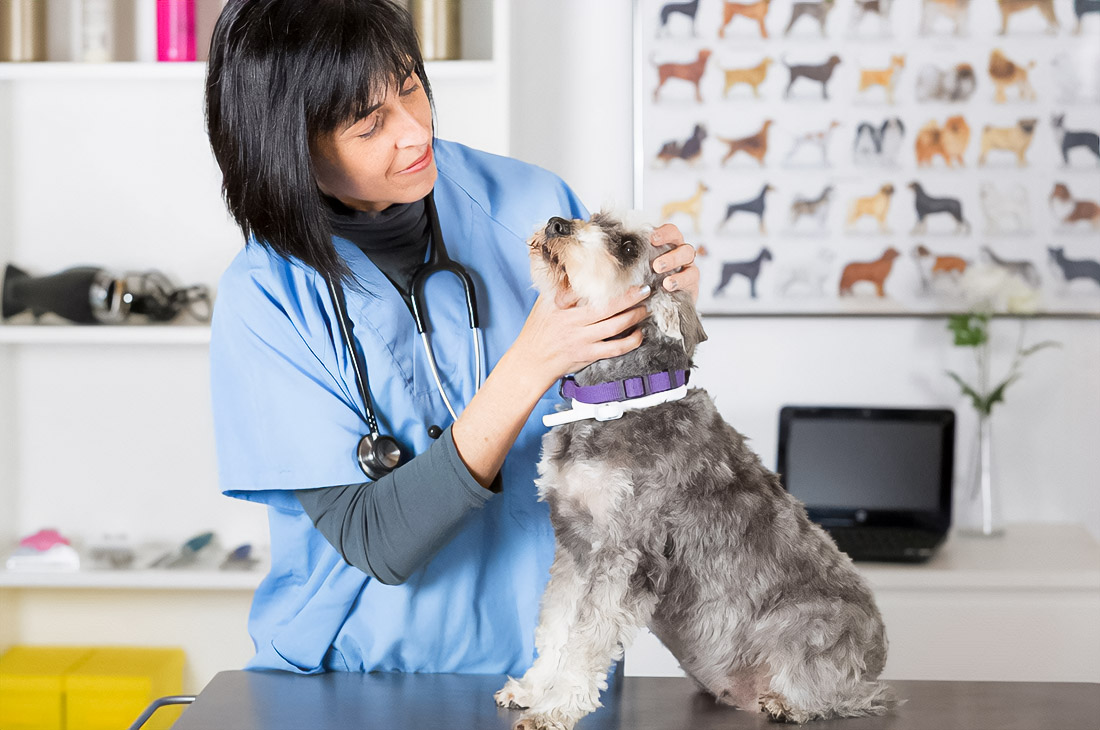
Changing your daily routine is one of the most common triggers of anxious behaviour. The absence of the owner, the reduction of communication, and changes in noise levels and activity in the house lead to a state of uncertainty. An animal accustomed to the constant presence of humans may experience loneliness, social isolation, and loss of a sense of security.
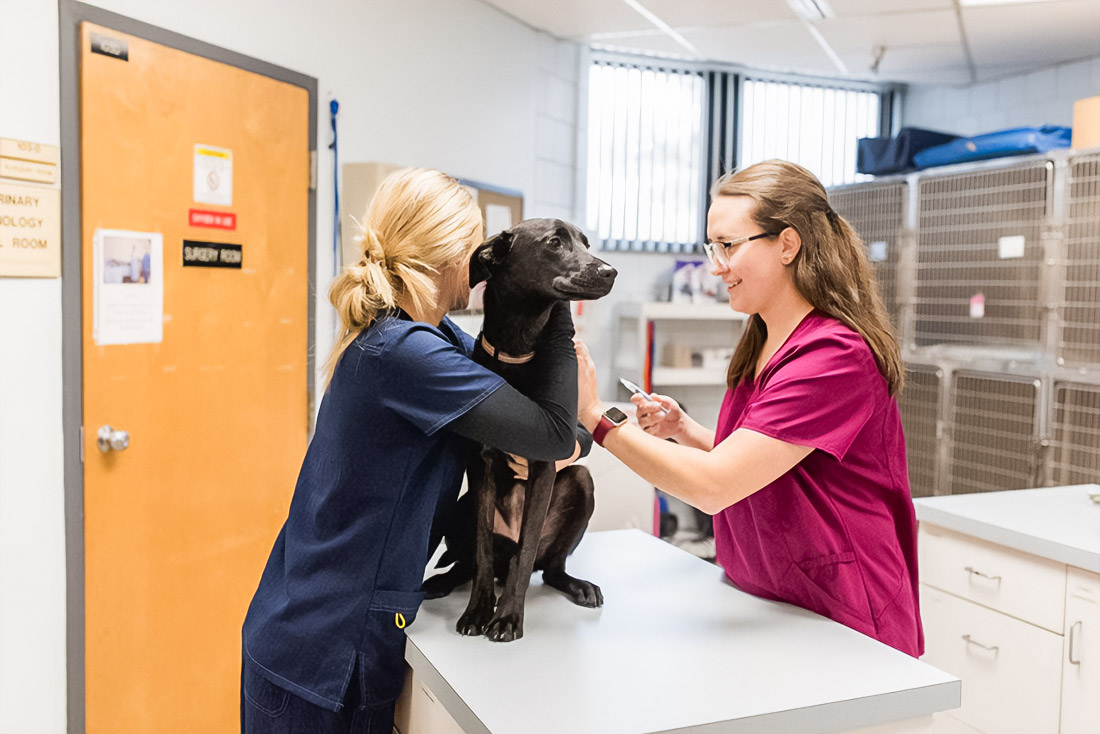
In such conditions, behavioural changes are often observed: excessive vocalisation, destructive behaviour, avoidance, anxiety, and eating disorders. These reactions are not “bad behaviour” – they are forms of adaptation to stress and attempts at self-regulation in a changed environment. Similar reactions are often noticed after stressful visits to a vet clinic.
Behavioral and Physiological Manifestations of Stress
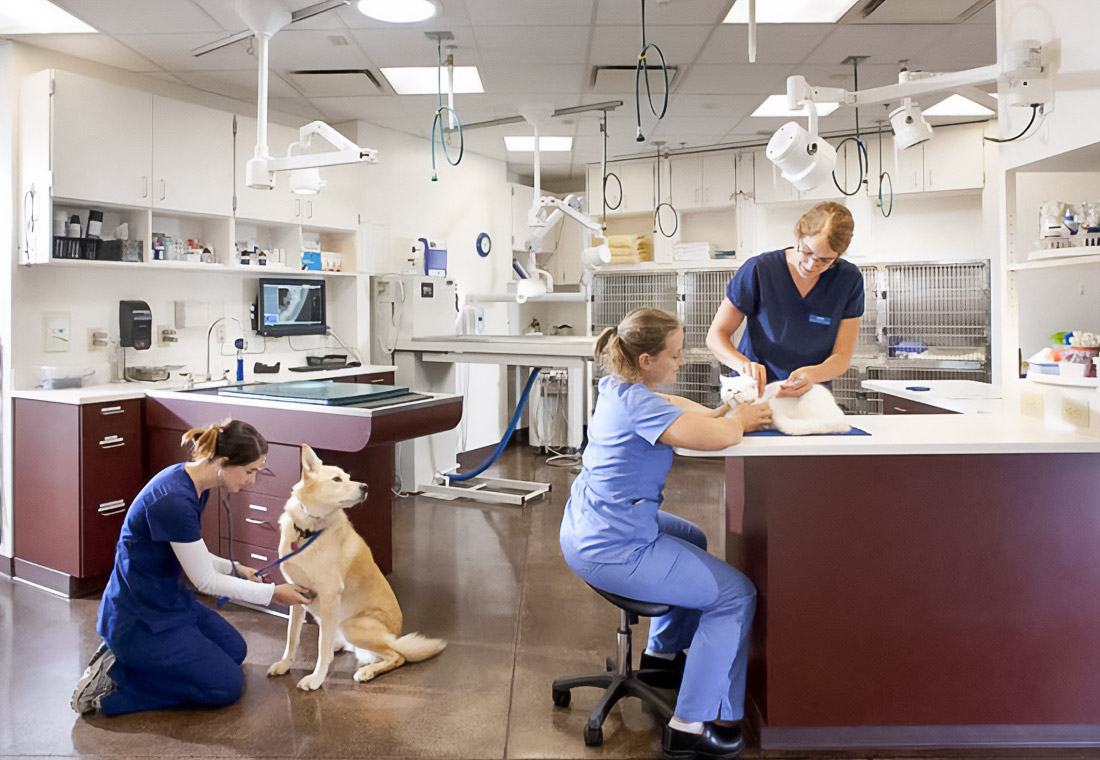
Anxiety and fear manifest themselves on both a behavioural and a physiological level. Animals may experience aggression, avoidance of contact, excessive self-care, and constant movement without purpose. There are often signs of hyperactivation of the nervous system: increased excitability, inability to relax, obsessive actions. In other cases, the opposite state is observed – hypoactivation, when the animal becomes withdrawn, depressed, and prone to fading.
These conditions are associated with dysregulation of the nervous system and going beyond the so-called tolerance window, the range in which the body is able to respond adequately to stimuli without turning into maladaptive behaviour.
Early Trauma and Long-Term Consequences
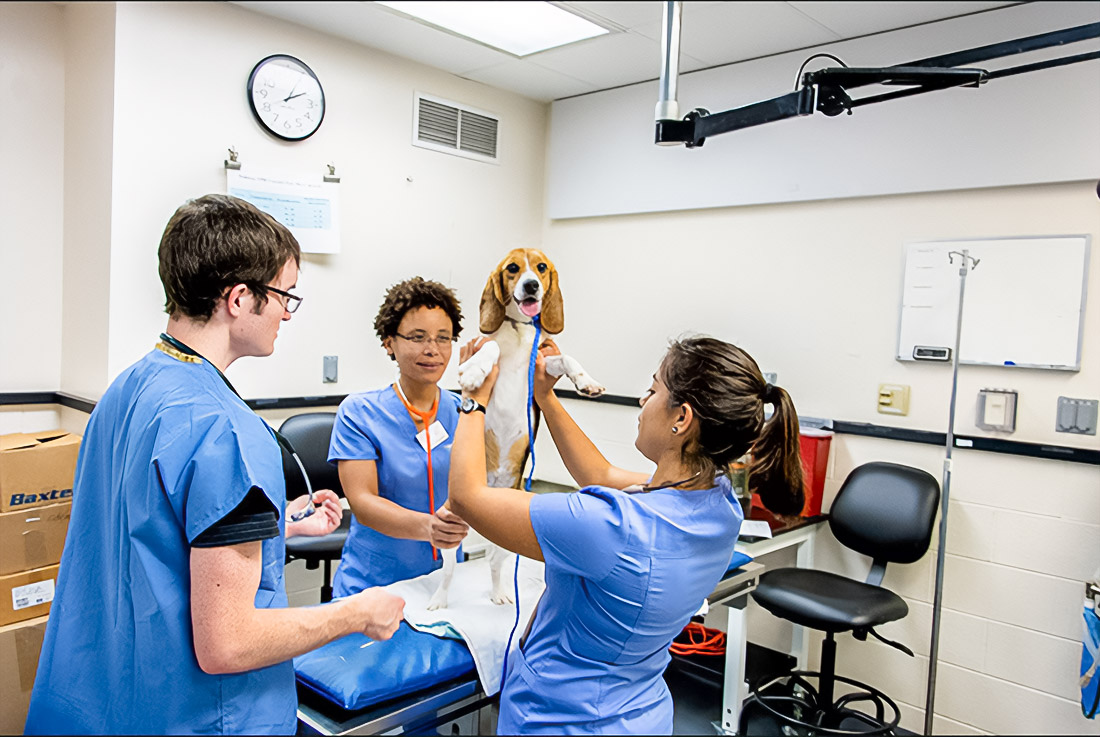
Early experience plays a special role in the formation of anxiety reactions. An unfavourable early experience: stress in the first weeks and months of life can have a long-term effect on behaviour. The critical period is considered to be from about 6 to 16 weeks of life, when reactions to the environment, learning through associations and resistance to stress are actively formed.
Studies show that fear and aggressive behaviour are found in a significant portion of the pet population – estimates range from 20 to 50%. At the same time, early trauma, chronic stress, and insufficient social adaptation increase the risk of developing maladaptive behaviours in adulthood.
The Neurobiology of Fear and Learning
Anxiety reactions are based on neurobiologicalmechanisms. Stress hormones are involved in the formation of fear memory and associative learning. If stressful events repeat themselves or turn out to be too intense, they become fixed in the form of stable reactions to triggers — external or internal stimuli reminiscent of past experiences.
Such training is not always conscious and does not depend on the current real threat. That is why an animal can react with aggression or avoidance to seemingly neutral situations. This is not a “character”, but a consequence of how the nervous system has learned to defend itself.
A Trauma-Oriented Approach

The modern view of animal behaviour is increasingly based on empathetic care and prevention of repeated injury. This approach involves rejecting the question of “what’s wrong with him” in favour of “what happened to him”
It is important to consider individual sensitivity to change, history of experience, and response to triggers. A forced encounter with fear without preparation can increase anxiety. This is especially relevant when planning visits to a vet clinic, where improper exposure can lead not to a decrease but to an increase in fear.
Correction and Support Methods
The most stable results are provided by methods based on gradualness and safety. Desensitisation involves a slow and controlled introduction to a frightening stimulus in an environment where the animal retains the ability to self-regulate. Counterconditioning complements this process by forming new positive associations.
An important role is played by creating a safe space where the animal can recover. Regular physical activity and mental stimulation help reduce stress levels, and positive reinforcement supports adaptive behaviors. In severe cases, medical support is used as part of a comprehensive intervention aimed at restoring the balance of the nervous system.
Limitations and Risks of Intervention
It is important to understand that there is no universal solution. Behaviour is shaped by a combination of early experiences, physiological reactions, and the current environment. Hasty or harsh intervention methods can lead to a deterioration of the condition. That is why observation, the individual pace of adaptation and respect for the boundaries of the animal remain key factors.
Anxiety, stress, and maladaptive behaviour of pets are not random reactions or the result of a “depraved nature”. This is the result of a complex interaction of early experience, neurobiology, and environmental changes. Understanding these mechanisms allows us to build a more careful and effective approach to care based on empathy, gradual adaptation, and support for resilience.
Such a view not only improves the welfare of animals but also helps a person to build a calmer and more reliable relationship with them, based on understanding rather than coercion.

Hiking addict, audiophile, Swiss design-head and front-end developer. Concept is the foundation of everything else.
