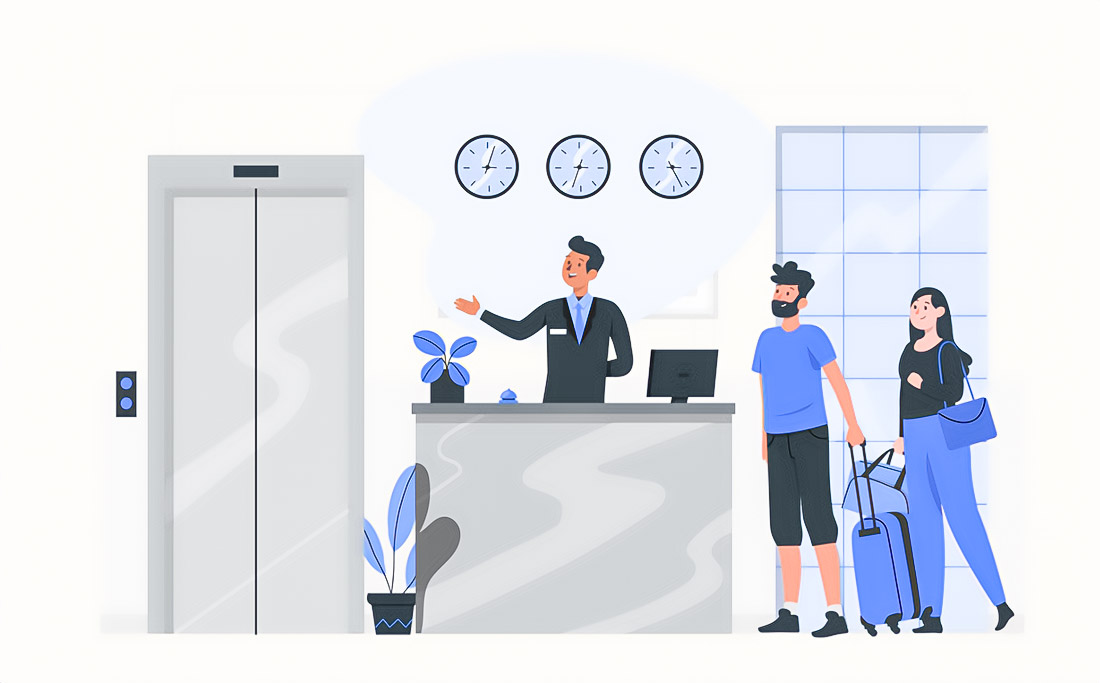
Imagine a guest is tired after a long journey, drives up to the hotel, but faces a problem: you need to look for a parking ticket, explain to the guards, and wait for the barrier to open. Already at this stage, the mood is spoiled.
The first impression does not begin with the reception, but with the parking lot. And if this stage causes stress, trust in the hotel decreases even before check-in. That is why more and more hotels are implementing license plate recognition (LPR) systems – not only for the sake of comfort, but also for safety, control, and cost reduction.
How Does the LPR System Work?

The technology is based on character recognition (OCR) from license plate images obtained from high-resolution cameras. The camera captures the car at the entrance, the system recognizes the license plate and compares it with the database on the central server. This solution is increasingly being integrated into hotel PMS software, providing synchronization with booking data.
If the number is in the allowed list, the barrier opens automatically. Without coupons, without manual verification – instant access, as with contactless hotel check in, which increases convenience for the client.
Safety: Why Does Control Start at the Entrance?

According to international organizations, more than 1.19 million people die in road accidents every year. Modern LPR systems allow you to detect suspicious cars even at the entrance – before a violation occurs. This is especially true for facilities using management software solutions, where everything is connected to a single analytical system.
The system can check numbers in internal and external databases, including blacklists or cases of past incidents. If the number is not authorized, security receives a real-time notification, which is especially important at night or during periods of increased threat level.
How Does LPR Help to Avoid Overloads and Losses?
For hotels, the key task is to minimize waiting and simplify the process. The system eliminates manual operations, accelerates the flow of vehicles, and automatically fixes:
- Peak load hours
- Parking duration
- Frequency of repeat visits
Such integration can be part of business software management, allowing hotels to flexibly manage traffic and analyze performance. It helps to implement dynamic pricing, increase profitability, and eliminate abuses such as fake passes or lost coupons.
Example: One business hotel in Eastern Europe reported a 45% decrease in parking complaints after the implementation of LPR. Additionally, an increase in profits from parking was recorded due to the exclusion of unauthorized access.
Convenience for Guests: What Does the Client See?

The guest no longer needs to interact with security or search for a terminal. Everything works contactlessly and predictably, similar to the mobile check in hotels experience that many modern travelers are used to. Available in many systems:
- Pre-booking of parking through the app
- Online payment
- Receipt of receipts
- Manage your parking time through the hotel mobile check in app
In hotels with electric vehicle charging stations, the system can automatically direct the driver to an empty port. Integration with IoT sensors and business intelligence software solutions allows you to manage locations in real time.
What About Privacy and Costs?
A common objection is, “What about privacy and the cost of implementation?” Modern LPR systems process data in compliance with security standards:
- Encryption is used
- The storage is done on secure servers
- Access logs and rights levels are provided
In addition, many solutions are compatible with platforms such as opera cloud pms, providing centralized management. And when calculating savings on personnel, paper coupons and errors, investments pay off within 12-18 months.
Why Does The Hotel Need Parking Analytics?
The collected data opens up management opportunities:
- Frequency and seasonality of arrivals
- Average duration of parking
- The proportion of unauthorized cars
- Usage of zones by time of day
Information is easily visualized through the hospitality kiosk or dashboards integrated into the hotel management system. This allows you to optimize staff, change tariffs, redistribute flows, and even improve the layout of the territory.
The Future is Already Here: What’s Next?
LPR is already being integrated with hotel kiosk software, facial recognition systems, and mobile services. They are used in the investigation of incidents, become part of the infrastructure of smart cities, and support a bundle with devices like iPad hotel check-in and portable check-in for staff.
Final Thoughts
Parking without control means risks, losses, and dissatisfaction of guests. Parking with a number recognition system gives:
- Smooth entry
- Confidence in security
- Fewer complaints, more trust
If you want to implement self-check in a hotel or make the service fully digital, start by automating a key area such as parking. After all, the first impression begins even before registration, and proper hotel check in software and technologies such as a passport scanner or ID scanner for hotels will help build trust from the very first seconds.

Hiking addict, audiophile, Swiss design-head and front-end developer. Concept is the foundation of everything else.