
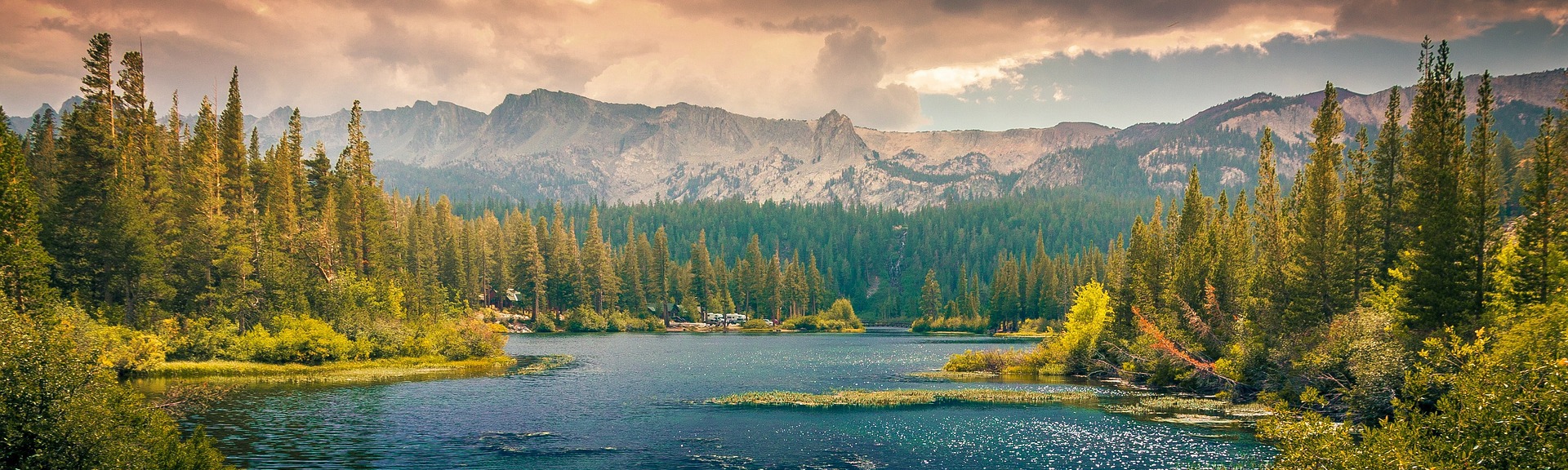

Winter is not just a mark on the calendar; in the city, it marks a true seasonal transformation. Dubai, accustomed to scorching sun and high humidity, suddenly seems to take a deep breath and change its character. From November to March, in Dubai, a distinctive high season unfolds: daytime temperatures remain pleasantly between 20 and 25°C, occasionally rising to 28°C, while nights cool to 14–20°C, and the sun shines steadily for 8–10 hours each day. For those accustomed to snow, ice, and short daylight hours, this season offers an attractive alternative: no heavy coats or icy streets, just light clothing, warm seas, and long, leisurely walks.
At this time, people literally “return to the street.” The beaches are filling up, morning runners and evening strollers are added to the embankments, the desert is no longer an extreme adventure and is turning into an accessible stage for safaris, camping and dinners under the stars. The winter season becomes the backdrop for a completely different rhythm: soft, lively and at the same time very intense.
Mild Climate: The Main Argument Of The Winter High Season

The reason for the winter peak is easy to understand: a mild climate without extreme heat and stifling humidity dramatically changes the body’s feeling and perception of the city. The air becomes drier, clearer, the horizon is cleaner, and familiar views begin to look almost like a picture from an advertising brochure, only without filters. The architecture, the coast, the desert and the mountains look especially clear because the lubricating summer haze filter disappears almost completely.
The sea temperature in the winter months is approximately in the range of 21-23 degrees. For some it’s “refreshing”, for others it’s “almost warm”, but the main thing is different: you can swim, do water sports, ride a jet ski, paddle board, or just sit by the water for hours without escaping the heat every five minutes.
Desert safaris feel radically different during this period. If any trip through the dunes in summer is a struggle with the heat, then in winter it is a pleasure: sunset trips on 4×4 when the dunes are painted with soft light; calm camel walks; dinners in the camp; night camping in the open air. It’s not about “enduring” anymore, but about “absorbing”.
How Seasonality Unfolds The Rental Market And Service
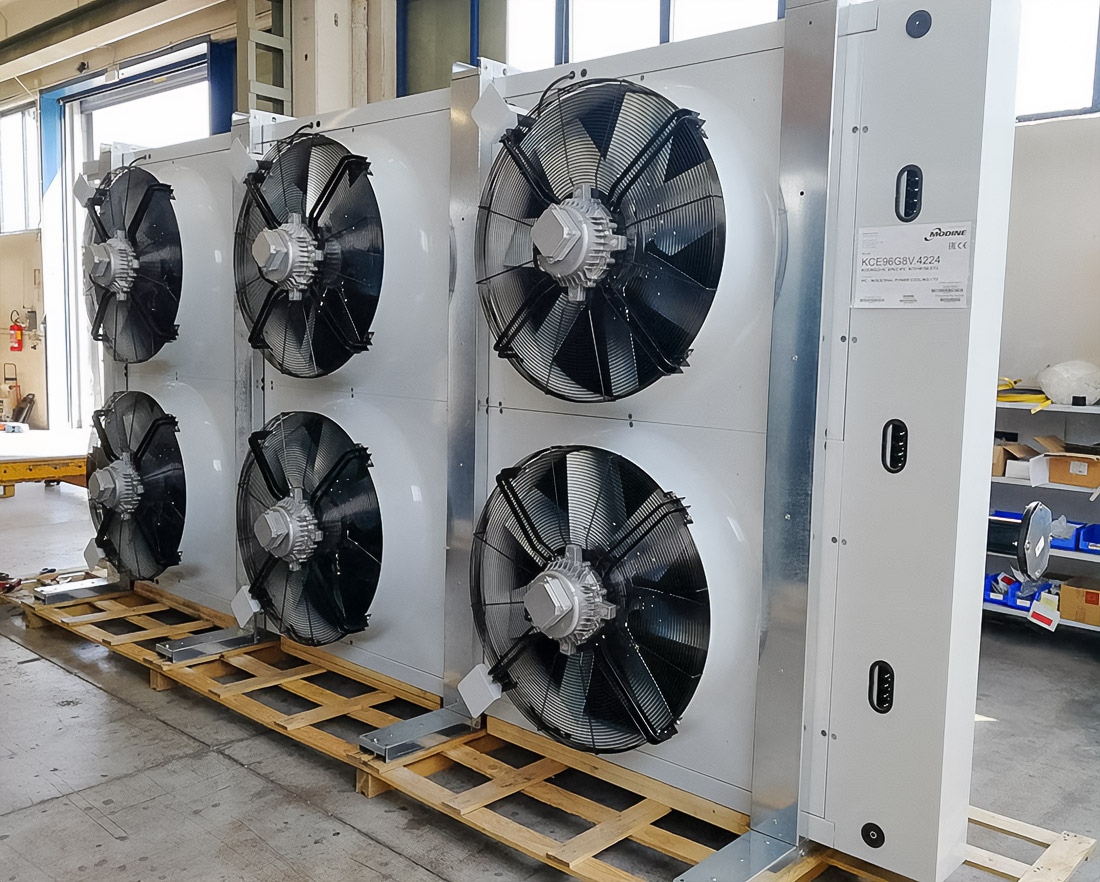
Seasonality in Dubai is not abstract, it is very clearly read in the rental market and in the tourist-oriented business. Between November and March, demand for short-term housing is growing sharply: according to market data, the occupancy rate of many properties rises to 80-90 percent, and prices in comparable properties can almost double compared to the summer period. High season is not just a “lot of people”, it is the maximum load on all links of the chain: from apartment owners to service companies.
Winter preparations begin in advance. Homeowners plan deep cleaning, check air conditioning, plumbing, lighting, update textiles, interior details, and make minor cosmetic improvements to create the feeling of a thoughtful guest experience. Guests rarely praise a functioning thermostat, but they quickly notice a non-functioning one. And with high competition, this is critical.
Travelers also adjust to seasonality. Realizing that at the peak of demand, the best facilities leave earlier than others, many book accommodation months before the trip, especially if it comes to holidays. An example described in the sources: in the first quarter of one of the winter seasons alone, the city received about 5.31 million guests, with an increase of about 3 percent compared to the previous year. The figure itself is dry, but it’s easy to feel it in practice: more people, more bookings, higher prices, fewer “randomly available” options.
In summer, the picture turns the other way. Daytime temperatures are steadily moving above 40 degrees, life is shifting indoors, the tourist flow is decreasing, rental rates are dropping, seasonal discounts and more flexible conditions are appearing. For those who are willing to put up with the heat, this is a chance to secure a lucrative long-term contract. For the market, it is a mild recession after the winter peak.
Why Winter Is The Best Time To Explore The City
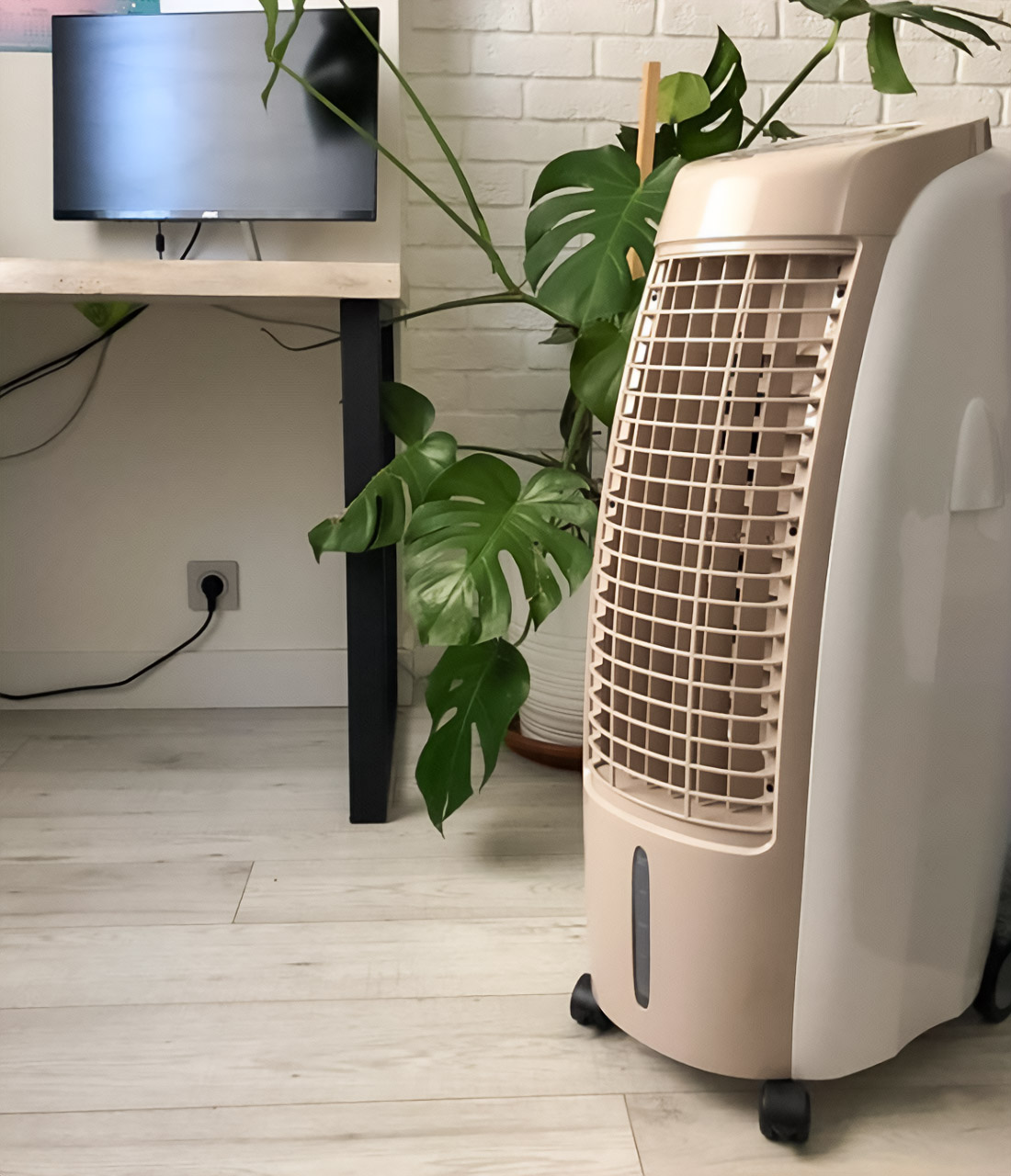
If you look not only at the numbers, but also at the behavior of people, it is winter that shows the real character of the city. During the day, the embankments turn into a living corridor of runners, cyclists, families with strollers, tourists who are not in a hurry because they are not afraid to overheat. Outdoor cafes and restaurants are coming to life, terraces are filling up, air cooler dubai units hum quietly between tables, and outdoor space is no longer just a transit “from car to room.”
In the evening, the rhythm changes, but does not slow down. The winter season is a time of festivals, fairs, outdoor concerts, festive activities and fireworks shows. The city is turning into a big stage where you can combine a beach, a walk along the embankment, a desert adventure, a boat trip and an outdoor evening program in one day.
For those who want to see Dubai alive, open and diverse, winter is the best choice. Comfortable temperatures, long daylight hours, clean air, warm sea, a busy calendar of events, high but understandable demand for rent, a combination of natural locations, urban infrastructure and seasonal economy create a special winter scenario. It is he who becomes the reason why people return here again and again each time living their version of the ideal winter without snow, but with the sun, the sea and the feeling that the season is finally working for you, and not against.

Hiking addict, audiophile, Swiss design-head and front-end developer. Concept is the foundation of everything else.
